
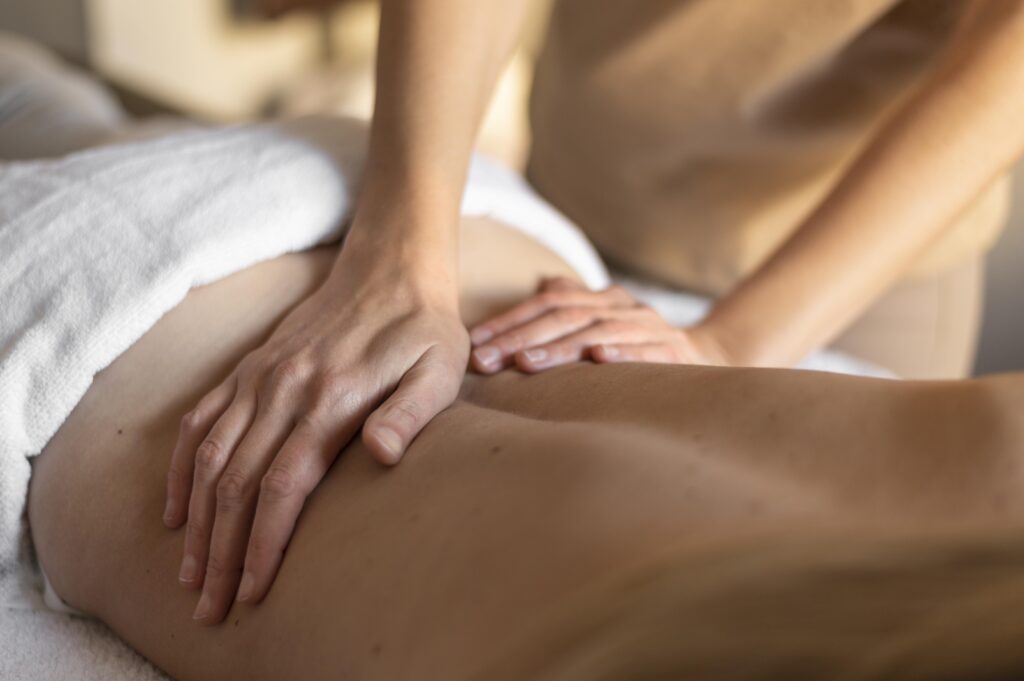
Swedish massage, often referred to as classic massage, is one of the most popular and widely practiced forms of massage therapy in the world. Renowned for its relaxing and therapeutic benefits, Swedish massage employs a variety of techniques designed to improve circulation, relieve muscle tension, and promote overall well-being. If you’re curious about how Swedish massage is done, read on to learn about the techniques, process, and what to expect during a session.
Understanding Swedish Massage Techniques
Swedish massage is characterized by five primary techniques, each with its own specific purpose and effect on the body:
- Effleurage:
- Description: Effleurage involves long, gliding strokes typically performed with the palms, fingers, or thumbs.
- Purpose: This technique warms up the muscles, enhances circulation, and helps spread massage oil evenly across the body. It also induces relaxation and prepares the body for deeper work.
- Petrissage:
- Description: Petrissage consists of kneading, lifting, and squeezing the muscles.
- Purpose: This technique targets deeper layers of muscle tissue, helps to release muscle tension, and promotes the removal of metabolic waste from the tissues.
- Friction:
- Description: Friction involves deep, circular movements applied with the fingers, thumbs, or knuckles.
- Purpose: This technique focuses on breaking down adhesions and scar tissue within muscles and connective tissues, enhancing flexibility and reducing pain.
- Tapotement:
- Description: Tapotement consists of rhythmic tapping or percussion using the edges of the hands, cupped hands, or fingertips.
- Purpose: This invigorating technique stimulates nerve endings, increases muscle tone, and can help clear mucus from the lungs when applied to the back.
- Vibration:
- Description: Vibration involves rapid shaking or trembling movements applied with the hands or fingertips.
- Purpose: This technique helps to release tension, stimulate circulation, and soothe nerves.
The Process of a Swedish Massage Session
A typical Swedish massage session follows a structured process designed to ensure maximum comfort and therapeutic benefit for the client. Here’s a step-by-step overview:
- Consultation:
- Purpose: The massage therapist will discuss your medical history, current physical condition, and any specific areas of concern or tension. This helps tailor the massage to your individual needs.
- Preparation:
- Environment: The massage room is a calm, quiet space with soft lighting and relaxing music. The therapist will ensure the room is comfortably warm.
- Attire: You will be asked to undress to your comfort level and lie on the massage table, covered with a sheet or towel to maintain privacy and warmth.
- Beginning the Massage:
- Effleurage: The therapist starts with gentle effleurage strokes to spread massage oil and warm up the muscles. This sets a relaxing tone and prepares your body for deeper techniques.
- Targeted Techniques:
- Petrissage, Friction, Tapotement, and Vibration: The therapist will use a combination of these techniques, focusing on areas of tension or discomfort. They will adjust the pressure based on your feedback to ensure comfort and effectiveness.
- Completion:
- Final Effleurage: The session typically concludes with light effleurage strokes to soothe the muscles and bring a sense of calm and relaxation.
- Post-Massage Guidance: The therapist may offer advice on hydration, stretching, and other self-care practices to enhance the benefits of the massage.
What to Expect and Benefits
During the Session:
- Comfort: You should feel comfortable and relaxed. Communicate with your therapist about any discomfort or preferences regarding pressure.
- Sensations: You might experience a mix of relaxation and mild discomfort especially if there are significant knots or tension areas being worked on. However you shouldn’t experience any pain, this is a relaxing and clearing experience.
After the Session:
- Relaxation: Many people feel deeply relaxed and may even feel a bit drowsy.
- Soreness: Some muscle soreness is normal, similar to what you might feel after a good workout.
- Hydration: Drinking water post-massage helps flush out toxins released from muscles during the session.
Benefits:
- Stress Reduction: Promotes overall relaxation and reduces stress levels.
- Improved Circulation: Enhances blood flow, which helps in healing and nourishing tissues.
- Pain Relief: Eases muscle tension and alleviates pain from conditions like chronic back pain or arthritis.
- Flexibility: Increases flexibility and range of motion by loosening tight muscles.
Conclusion
Swedish massage is a versatile and highly beneficial form of therapy suitable for most people. By understanding the techniques and process involved, you can approach your session with confidence and maximize the therapeutic benefits. Whether you seek relaxation, relief from muscle tension, or improved overall well-being, Swedish massage offers a holistic approach to achieving your health and wellness goals.